The cost to run a hot tub in winter depends on your spa, your backyard, and your electricity rate. An exposed patio in Des Moines and a sheltered yard in Pella can create different heating demands, even when the owners use similar settings.
Instead of relying on a universal monthly price, start with your own equipment and utility bill. This guide explains what changes winter energy use, how to estimate heater costs, and which practical adjustments can help without compromising water care or freeze protection.
What Changes the Cost to Run a Hot Tub in Winter?
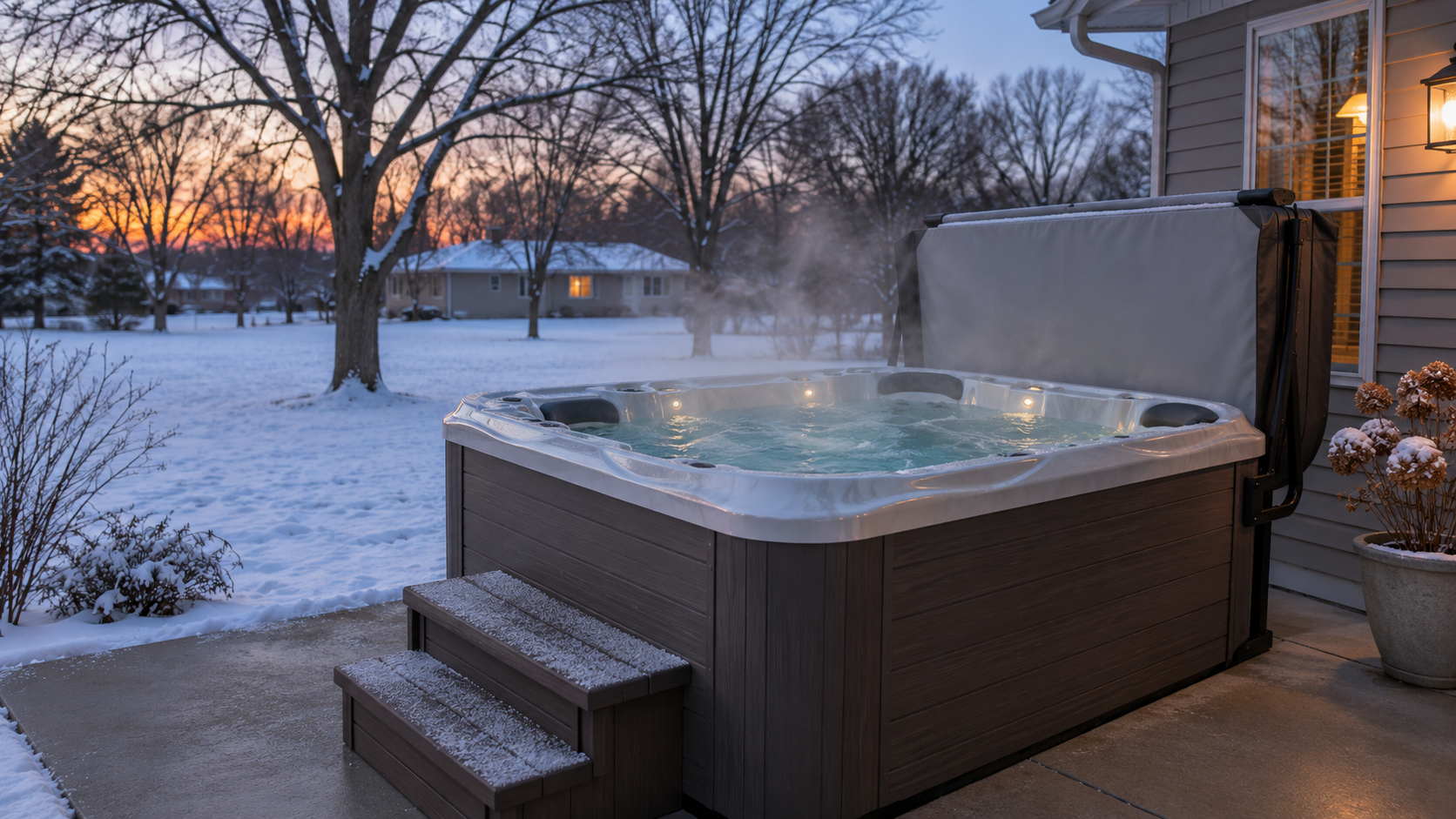
The cost to run a hot tub in winter reflects both heat loss and the electricity needed for circulation, filtration, and massage. Several factors work together, so changing just one setting may not explain the whole bill.
| Cost factor | Why it matters | What to check |
|---|---|---|
| Outdoor temperature | Colder air increases the temperature difference between the water and its surroundings. | Compare colder periods with milder ones. |
| Wind exposure | Wind increases heat loss, especially across uncovered water. | Note exposure around the spa and patio. |
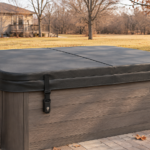
| Cover condition | Gaps and damaged insulation allow warmth to escape. | Inspect the perimeter, fold, and fastening straps. |
| Spa insulation | Cabinet and base insulation help slow heat transfer. | Ask about your model’s construction and intact panels. |
| Set temperature | Warmer water generally loses heat faster under comparable conditions. | Use a comfortable, appropriate setting. |
| Frequency and duration | Longer or more frequent sessions mean more time uncovered. | Track when the cover opens and closes. |
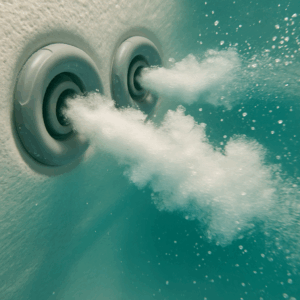
| Jets and blower | Motors consume electricity, while added air and agitation can increase cooling. | Use features when wanted, then switch them off. |
Your cost to run a hot tub in winter can rise even if your soaking habits stay unchanged. A colder, windier stretch may require more heating simply to maintain the same temperature.
A higher bill also does not automatically mean the spa caused the entire increase. Household heating, lighting, and other seasonal loads can change at the same time.
How to Estimate the Cost to Run a Hot Tub in Winter
Estimate the heater portion of the cost to run a hot tub in winter using three inputs: heater power, actual heating time, and your electricity price. Find the heater rating in the owner’s manual or manufacturer’s documentation; do not open electrical equipment to read it.
Heater electricity cost = heater kW × hours actively heating × electricity rate per kWh
Use the hours the heater actually operates, not every hour the spa remains switched on. If your controls do not record heater runtime, treat an assumed runtime as an estimate rather than a measurement.
Use the rate on your own utility bill
Check your bill for the applicable price per kilowatt-hour, including usage-based supply and delivery charges where relevant. Fixed monthly charges that would apply without the spa should not be assigned entirely to its operation.
For background, review Iowa electricity prices from the U.S. Energy Information Administration. Statewide averages provide context, but your own utility rate is the right starting point for your calculation.
If your plan has time-based or tiered pricing, account for when the energy is consumed. Your utility can help identify which charges belong in an estimate of added electricity use.
Worked example: hypothetical heater-only cost
This example uses an imaginary 4 kW heater, operating for 3 hours per day, at a hypothetical $0.15 per kWh, over 30 days. These inputs are illustrative, not an Iowa average, an Odyssey quote, or a prediction for your spa.
4 kW × 3 hours × $0.15 = $1.80 per day
$1.80 × 30 days = $54 for the example month
That figure covers only the heater. Pumps, filtration, blowers, lights, and other powered equipment add to the total cost to run a hot tub in winter.
Refine the estimate with actual usage
To understand your cost to run a hot tub in winter more accurately, record weather, settings, soaking time, and available energy data over comparable periods. Whole-house utility data can reveal patterns, but it cannot isolate the spa from other appliances.
A qualified electrician can advise on suitable circuit monitoring for a hardwired spa. Never connect a hot tub through an ordinary household plug-in energy meter unless the equipment and installation are specifically rated and approved for that use.
Does 120V or 240V Change Winter Costs?
Voltage alone does not determine the cost to run a hot tub in winter. Heater output, insulation, control settings, and operating time matter more than treating one electrical configuration as automatically cheaper.
Some 120V spas cannot heat while high-speed jets operate, while many suitably configured 240V models can. Check the specific model, because electrical capacity and control behavior vary.
A higher-powered heater may recover temperature faster without necessarily using less energy for the same heating task.
When comparing the cost to run a hot tub in winter across models, ask how each handles your usual soaking routine. Long uncovered sessions and frequent jet use can matter alongside the electrical specification.
Practical Ways to Lower Winter Running Costs
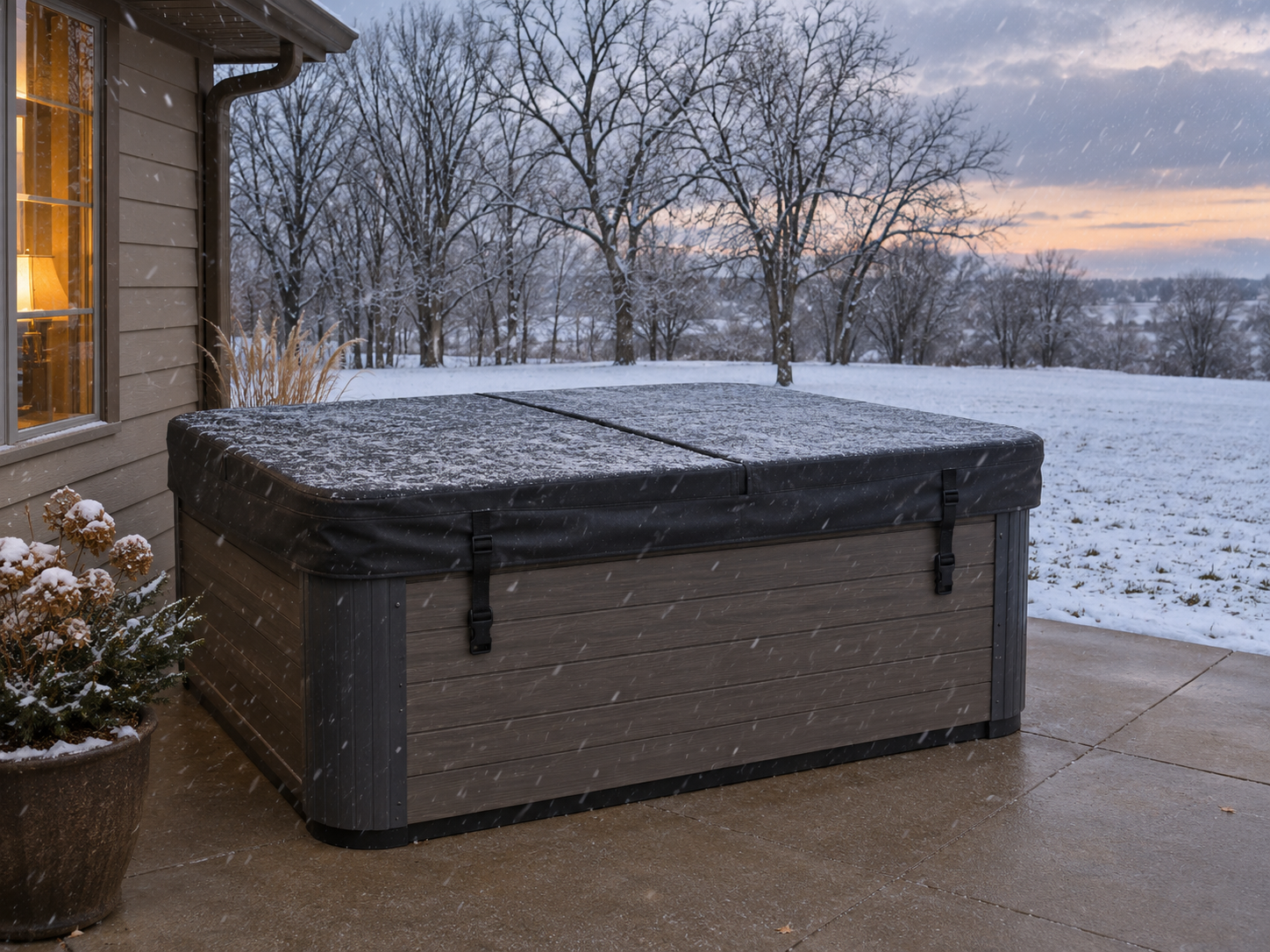
Reducing the cost to run a hot tub in winter starts with retaining heat you have already paid for. Focus on manageable habits and the condition of the spa before making major changes.
If a power outage or unexpected shutdown leaves you concerned about frozen plumbing, follow our guide on what to do if your hot tub freezes before attempting to restart it.
- Close the cover promptly. Open it when you are ready to get in, then close and secure it after use.
- Address a poor cover seal. Check for sagging, heavy waterlogged sections, damaged edges, and gaps at the fold.
- Use a suitable temperature. A modest reduction when appropriate may lower heat loss; follow the manufacturer’s cold-weather guidance.
- Limit unnecessary air features. Turn off massage jets and blowers after soaking, while preserving required circulation and filtration.
- Reduce wind exposure thoughtfully. Suitable screening may help, but maintain equipment access, required clearances, and safe walking routes.
- Keep panels and water care in order. Maintain the correct water level, follow filter-care instructions, and keep cabinet panels properly secured.
If the cover no longer fits or feels unusually heavy, learn when to replace a worn hot tub cover. Addressing a poor seal or waterlogged cover may help reduce heat loss more than repeatedly adjusting the thermostat.
Avoid turning the spa off between winter soaks to save electricity. Freeze protection needs functioning equipment and power, and an unheated spa can put plumbing at risk.
If you will be away or will not use your spa during the cold months, read our guide to how to winterize a hot tub before shutting it down. Simply switching off the power or draining the shell does not remove water trapped in the plumbing.
How Odyssey Spas Can Help
Odyssey Spas is a family-owned hot tub dealer with showrooms in Des Moines and Pella. Bring your spa’s model information and the electricity rate from your utility bill when discussing the cost to run a hot tub in winter.
Odyssey services and repairs most major hot tub brands, stocks common parts, and can help source parts for your model. The team recommends professional service every 3–4 months.
If you are considering a new spa, explore Odyssey’s Aspen and DreamMaker hot tubs and discuss your winter usage plans. Comparing insulation, cover fit, and heating requirements can help you assess the cost to run a hot tub in winter alongside the purchase price.
Thinking about adding a cold plunge alongside your spa? Our cold plunge vs hot tub comparison explains the differences in everyday use and the ownership considerations to weigh before budgeting for both.
If you are comparing your current spa’s running costs with buying a new model, our guide to the best time to buy a hot tub in Iowa can help you plan around availability, backyard preparation, and delivery scheduling.