Hot tub service is one of the most effective ways to keep your spa operating properly, maintain comfortable water conditions, and identify equipment problems before they become more serious. Whether you use your hot tub several times a week or only on weekends, regular maintenance helps protect the pumps, heaters, plumbing, and water circulation systems that make everything work.
For homeowners in Des Moines, Pella, and surrounding central Iowa communities, maintenance is particularly important because hot tubs must operate through changing seasons. Summer heat, mineral-rich fill water, fallen leaves, and freezing winter temperatures all create different challenges for spa owners.
Understanding what professional hot tub service includes, how often maintenance should be performed, and what you can safely handle yourself makes it easier to care for your investment throughout the year.
What Does Professional Hot Tub Service Include?
Professional maintenance involves more than wiping down the shell or adding sanitizer. It focuses on the water, mechanical equipment, and operating conditions that affect the spa's performance.
A thorough hot tub service appointment may involve several inspections and maintenance procedures, depending on the spa's condition, the manufacturer's recommendations, and the work requested.
1. Water Chemistry Testing and Adjustment
Proper water chemistry protects both the people using the hot tub and its internal components.
During a maintenance visit that includes water care, a technician can evaluate important water-quality measurements and recommend adjustments based on the spa's chemical system.
Key measurements include:
- pH: Affects sanitizer effectiveness, water comfort, and the tendency for equipment to develop scale or corrosion.
- Total alkalinity: Helps stabilize pH and reduce sudden fluctuations.
- Sanitizer levels: Chlorine or bromine helps control microorganisms in properly maintained spa water.
- Calcium hardness: Influences the potential for mineral deposits and aggressive water conditions.
- Water clarity: Provides a useful visual indicator, although clear water alone does not prove that the water is properly sanitized.
The purpose of hot tub service is not simply to add more chemicals. It is to identify the conditions affecting water balance and determine the appropriate corrections.
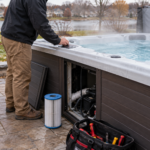
2. Filter Inspection and Cleaning
Filters capture particles that would otherwise circulate through the water and equipment.
Over time, the pleated material becomes loaded with debris, body oils, and other contaminants. That buildup can restrict circulation and increase stress on the pump.
During maintenance, the filter may be inspected for:
- Embedded debris and mineral buildup.
- Damaged pleats or deteriorated material.
- Cracked end caps.
- Poor seating inside the filter housing.
- Signs that cleaning is no longer restoring normal performance.
A technician may recommend cleaning or replacing the cartridge depending on its condition.
Regular hot tub service can help identify filter restrictions before they lead to flow errors or reduced heating performance.
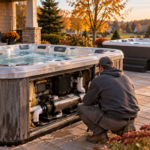
3. Pump and Circulation System Inspection
Hot tubs depend on reliable water movement for filtration, heating, and jet operation.
Some spas use a dedicated circulation pump, while others operate filtration through a primary jet pump. The arrangement varies by manufacturer and model.
A professional can evaluate whether the system circulates water as expected and check accessible equipment for abnormal conditions.
Potential warning signs include:
- Grinding or rattling sounds.
- Excessive motor vibration.
- Reduced jet pressure.
- Water leaking around pump seals or connections.
- Repeated flow-related error messages.
- Pumps that start and stop unexpectedly.
Proper hot tub service should investigate the underlying cause of these symptoms rather than immediately assuming that a pump needs replacement.
4. Heater and Temperature Control Checks
A spa heater needs adequate water flow and functioning temperature controls to operate safely.
If circulation becomes restricted, many systems disable heating to protect the equipment. A heating problem can therefore be caused by something other than the heating element.
Professional maintenance may include evaluating the spa's heating behavior, reviewing displayed error codes, and identifying signs of faulty temperature regulation.
During hot tub service, unusual heating performance can provide an early warning that a sensor, pump, heater, or control component needs additional attention.
Homeowners should never open energized electrical enclosures, attempt live-voltage testing, or bypass heating safety devices.
5. Plumbing, Jets, and Leak Inspection
Hot tub plumbing contains numerous fittings, hoses, manifolds, unions, and jet connections.
Seals and fittings can deteriorate over time, while vibration and temperature changes may contribute to leaks.
A maintenance inspection may identify visible moisture, mineral deposits around fittings, or unusual water loss.
Early identification matters because water leaking into an equipment compartment can affect surrounding materials and electrical components.
6. Control Panel and Operating System Review
The control panel allows homeowners to adjust temperature, operate jets, and monitor spa functions.
Unusual messages, unresponsive buttons, or unexpected operating behavior may indicate a problem with the controls or another connected component.
An inspection can include checking normal control functions and reviewing reported problems.
Complex electrical testing and internal control board repairs should be left to qualified professionals.
Why Routine Hot Tub Service Matters
A hot tub combines heated water, electrical equipment, plumbing, and chemical treatment in a relatively compact system.
Each part affects the others.
For example, mineral scale can accumulate on heater surfaces, while a dirty filter can restrict circulation. Improper water chemistry may contribute to deterioration of certain seals or metal components.
Scheduled hot tub service helps identify maintenance issues that could otherwise go unnoticed until the spa begins operating poorly.
Preventing avoidable equipment stress
A pump working against a severe flow restriction may operate under unfavorable conditions.
Similarly, inadequate water circulation can prevent heating systems from functioning correctly.
Keeping filters clean, maintaining proper water levels, and identifying abnormal pump behavior can help reduce avoidable stress on equipment.
Protecting the spa's internal components
Water chemistry plays a significant role in the condition of heaters, plumbing fittings, seals, and other water-contact components.
Incorrect pH or calcium balance may contribute to scaling or corrosion, depending on the materials and water conditions.
Routine hot tub service gives homeowners an opportunity to identify problems with water balance before they create additional maintenance concerns.
Maintaining water comfort and cleanliness
Warm spa water requires regular sanitation and filtration.
Bathers introduce body oils, perspiration, lotions, and other contaminants that increase the demand on the sanitizer system.
Even when water looks clear, improper chemical balance can make it unsuitable for use.
Our guide to cleaning a hot tub and keeping the water clear explains the everyday practices that support cleaner spa water.
Hot Tub Water Chemistry: What Iowa Homeowners Should Know
Water balance is one of the most important parts of maintaining a hot tub.
Fill water conditions vary across Iowa. Some water sources contain higher concentrations of dissolved minerals, which may influence calcium hardness and the likelihood of scale formation.
Other conditions, including rainfall, bather load, and the products used for sanitation, can also change water chemistry over time.
Why pH and alkalinity matter
pH affects both water comfort and the performance of sanitizing products.
Total alkalinity acts as a buffer against rapid changes in pH.
When alkalinity is outside the appropriate range for your system, pH may become difficult to stabilize.
Adding chemicals without testing first can make these conditions worse.
Use a reliable testing method and follow the guidance for your spa manufacturer and chemical system.
How mineral buildup affects spa equipment
Mineral-rich water can produce deposits on surfaces and inside water-contact components.
Scale accumulation on heating surfaces may interfere with efficient heat transfer. Deposits can also appear around fittings and jet openings.
A maintenance routine that includes water testing and inspection can help identify these conditions before they become severe.
Choosing compatible spa chemicals
Different sanitizing systems have different requirements.
Odyssey Spas carries hot tub chemicals and water-care products, including BioGuard and SpaGuard.
Use products appropriate for your specific spa and follow the label directions.
Never mix concentrated spa chemicals, including different sanitizer products, together. Store chemicals in their original containers and keep them away from children.
Hot Tub Filter Maintenance: Keeping Water Moving Properly
The filtration system helps remove suspended debris from spa water.
When filters become clogged, the restricted circulation can affect water clarity, heating, and pump performance.
Filter maintenance is a useful example of how simple homeowner care supports the work performed during professional hot tub service.
How often should filters be cleaned?
Cleaning frequency depends on how often the spa is used, its filtration system, and the amount of debris entering the water.
A hot tub used daily by several people will usually need more frequent attention than one used occasionally.
For many owners, checking and rinsing the filter weekly is a practical starting point. Follow the manufacturer's cleaning and replacement instructions.
Signs a filter needs attention
Look for:
- Visible dirt lodged between pleats.
- Unusual discoloration or oily residue.
- Weak circulation or reduced jet performance.
- Persistent flow-related messages.
- Filter material that remains clogged after proper cleaning.
Never operate a spa without its required filter unless the manufacturer explicitly instructs you to do so during a specific maintenance procedure.
When should the filter be replaced?
Replacement depends on the cartridge's condition and the manufacturer's recommendations.
A damaged cartridge, cracked end cap, or deteriorated filter material may no longer function correctly.
Deep cleaning cannot restore a physically damaged filter.
If repeated cleaning does not resolve circulation problems, the issue may involve another component and require additional diagnosis.
Hot Tub Service for Iowa's Changing Seasons
Seasonal conditions influence how hot tubs should be maintained.
In central Iowa, owners face humid summers, cool autumn evenings, freezing winters, and unpredictable temperature changes during spring.
Adjusting maintenance practices throughout the year can help protect equipment and maintain consistent performance.
Spring: Inspect for winter damage
Spring is a good time to examine how the spa performed through winter.
Look for unusual water loss, damaged cabinet panels, loose cover components, and signs of moisture around accessible equipment.
Water that froze inside fittings or plumbing may have caused damage that becomes noticeable only after temperatures rise.
A spring hot tub service appointment can help identify circulation issues, leaks, and equipment wear that developed during colder weather.
Summer: Monitor water chemistry and usage
Warmer weather often brings more outdoor entertaining and changes in spa usage.
Frequent bathing introduces additional contaminants, while warm weather may affect the spa's temperature management.
Homeowners should increase water testing when the hot tub is used more heavily.
During summer hot tub service, attention should be given to filtration performance, water balance, and any signs that the spa is overheating or struggling to maintain its selected temperature.
Keep the cover in good condition and follow the manufacturer's instructions for ventilation and temperature settings.
Fall: Prepare the hot tub for freezing weather
Fall maintenance deserves particular attention in Iowa.
Before regular freezing temperatures arrive, confirm that the heater, circulation system, control panel, and cover operate correctly.
Important fall checks include:
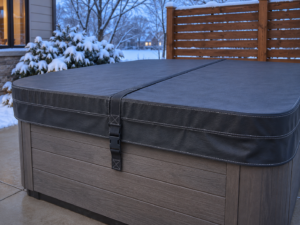
- Inspecting the insulated cover for damage.
- Checking whether the cover seals properly.
- Reviewing heating performance.
- Confirming consistent water circulation.
- Looking for plumbing leaks.
- Checking the cabinet for damage or gaps.
- Maintaining proper water chemistry.
Scheduling fall hot tub service before sustained freezing weather can help identify mechanical problems while conditions are still manageable.
Winter: Protect heating and circulation
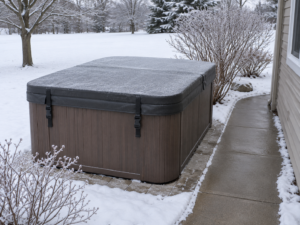
Many Iowa homeowners continue using their spas throughout winter.
A properly operating hot tub can provide comfortable outdoor use even when snow surrounds the patio.
However, a loss of heating or circulation becomes more serious when temperatures fall below freezing.
Water inside pumps, heater assemblies, manifolds, and plumbing lines may freeze if equipment stops operating.
Winter hot tub service should focus on identifying heating or circulation problems and assessing any symptoms that could indicate freeze damage.
If your spa loses heat during a cold snap, keep the cover closed when safe and contact a professional promptly.
Do not assume that draining the shell will remove all water from internal plumbing.
Our guide on how to drain a hot tub explains routine draining procedures. Proper winterization requires additional steps specific to the spa's design.
How Often Should You Schedule Hot Tub Service?
Odyssey Spas recommends professional hot tub service every three to four months, with more frequent attention when usage or operating conditions require it.
This schedule provides opportunities to evaluate the spa through different seasons, inspect major systems, and address developing maintenance issues.
Professional appointments do not replace the regular water testing and cleaning homeowners should perform between visits.
Recommended hot tub maintenance schedule
| Frequency | Homeowner or professional task | Primary purpose |
|---|---|---|
| Before each use | Check water clarity, temperature, and visible safety conditions | Identify obvious problems |
| 2–3 times per week, or more with heavy use | Test sanitizer and pH | Maintain suitable water conditions |
| Weekly | Check water level and inspect or rinse filter as needed | Support circulation |
| Monthly | Inspect cover, waterline, and visible signs of leaks | Identify maintenance needs |
| Every 3–4 months | Professional maintenance appointment | Assess water care and equipment condition |
| As recommended by manufacturer and water conditions | Drain, clean, and refill | Refresh spa water |
| Before winter | Inspect heating, circulation, and cover condition | Prepare for freezing temperatures |
The appropriate frequency depends on the spa model, number of users, and local water conditions.
When more frequent attention is appropriate
Additional maintenance may be useful when the spa experiences:
- Heavy daily use.
- Frequent water chemistry fluctuations.
- Persistent cloudy water.
- Repeated filter clogging.
- Unusual pump noises.
- Recurring heating or circulation problems.
Keeping simple records of water tests and maintenance can help identify patterns between professional visits.
Homeowner Checklist Between Professional Appointments
You do not need specialized equipment to perform many routine maintenance tasks.
A consistent checklist helps you catch changes in your spa's behavior before they become major problems.
Weekly homeowner checklist
Weekly maintenance
1-Test sanitizer and pH using a suitable test kit.
2-Check the water level against the manufacturer's requirements.
3-Inspect the water for cloudiness, foam, or unusual odors.
4-Rinse or clean the filter when needed.
5-Wipe the waterline with a spa-compatible cleaner.
6-Confirm that jets and normal circulation are operating.
7-Look for unexpected puddles around the spa.
8-Check that the cover is secure and undamaged.
This routine complements professional hot tub service by identifying changes in water quality, circulation, and visible equipment condition.
Keep a maintenance log with dates, chemical readings, filter cleaning, water changes, and any unusual symptoms.
If a problem develops gradually, these notes can help a technician understand when the condition first appeared.
Hot Tub Safety: Electrical Equipment, Water, and Chemicals
Hot tubs contain electrical equipment operating near water, so maintenance should always follow appropriate safety practices.
Homeowners should never remove energized electrical covers, test live wiring, or bypass safety switches.
If the GFCI breaker repeatedly trips, stop using the spa and arrange qualified professional evaluation.
Maintain safe suction fittings
Suction outlets and drain covers are designed to reduce the risk of entrapment.
Never use a spa with missing, loose, or damaged suction covers. Keep hair, clothing, and body parts away from suction openings.
The U.S. Consumer Product Safety Commission's Pool Safely recommendations for pools and spas explain essential precautions involving supervision, safety covers, barriers, and drain safety.
Follow chemical safety instructions
Add chemicals only according to the manufacturer's directions.
Never mix concentrated chlorine and bromine products or combine sanitizers with acids or other incompatible chemicals.
Use appropriate protective equipment when directed by the product label and store supplies securely.
Know when maintenance is no longer a DIY task
Cleaning filters and testing water are normal homeowner responsibilities.
But hot tub service involving internal electrical equipment, major pump repairs, concealed plumbing, or damaged safety components should be handled by qualified professionals.
What Does Professional Maintenance Cost?
The cost depends on the work required, the spa's condition, and whether repairs or replacement parts are needed.
Routine cleaning and water testing involve different labor and materials than diagnosing a failed pump, locating a concealed plumbing leak, or replacing a heater.
Other factors that can influence the price include:
- Spa size and equipment configuration.
- Accessibility of the equipment compartment.
- Condition of filters and water.
- Replacement parts required.
- Additional troubleshooting or repair work.
- Any applicable travel charges.
A routine hot tub service appointment should not be assumed to include major repairs or replacement parts unless those services are specifically agreed upon.
For accurate pricing in Des Moines, Pella, or surrounding communities, contact Odyssey Spas at 641-628-8292 and describe your spa and maintenance needs.
How to Know When Your Hot Tub Needs Additional Maintenance
Even with a regular maintenance schedule, certain signs may indicate that your spa needs attention before its next appointment. Recognizing these changes early can help prevent minor operating issues from developing into more expensive repairs. For homeowners in Des Moines and central Iowa, scheduling hot tub service when unusual symptoms first appear is particularly valuable before freezing winter temperatures arrive.
Watch for Changes in Water Temperature
Your hot tub should maintain its selected temperature under normal operating conditions. If the water begins cooling unexpectedly, takes longer than usual to heat, or displays intermittent temperature errors, something may be affecting the heating or circulation system.
Regular hot tub service can help identify problems involving temperature sensors, restricted water flow, or heater components before the system stops working completely.
Pay Attention to Water Circulation
Changes in jet pressure, unusual pump noises, or reduced water movement can indicate developing equipment problems. Although dirty filters are a common cause of restricted circulation, worn pump components, trapped air, or plumbing obstructions can produce similar symptoms.
Scheduling hot tub service when these warning signs persist allows a technician to investigate the cause instead of waiting for a complete equipment failure.
Monitor Water Quality Between Appointments
Water that repeatedly becomes cloudy, develops unusual odors, or requires frequent chemical adjustments may indicate inadequate filtration or inconsistent water balance.
Keep a record of your sanitizer levels, pH readings, filter cleaning, and water changes. Sharing this information during your next hot tub service appointment can help identify recurring water-quality problems and determine whether additional equipment inspection is necessary.
Plan Maintenance Before Seasonal Changes
In Iowa, the transition from fall to winter deserves particular attention. Heating systems, circulation pumps, covers, and plumbing should be functioning correctly before prolonged freezing weather arrives.
Scheduling preventive hot tub service before winter gives homeowners an opportunity to address developing problems while outdoor conditions are still manageable. Combining seasonal professional inspections with regular homeowner maintenance can help keep your spa operating reliably throughout the year.
When to Call a Professional for Hot Tub Service
Regular maintenance is helpful, but some symptoms require more than cleaning or adjusting water chemistry.
Call a professional when the spa shows signs of an electrical fault, significant water leakage, repeated heating failures, or unusual pump behavior.
Pay particular attention to these warning signs:
- The GFCI breaker trips repeatedly.
- Water temperature will not reach the selected setting.
- Pumps make grinding or screeching noises.
- Jets have little or no pressure.
- The control panel stops responding.
- Water leaks from the equipment compartment.
- Flow or temperature error messages keep returning.
- Heating or circulation stops during freezing weather.
These symptoms can involve several interconnected components. A heater that does not activate, for example, may be responding to inadequate water circulation rather than having a failed heating element.
Our complete hot tub repair troubleshooting guide explains 12 common problems, their likely causes, and which homeowner checks are safe.
Odyssey Spas provides professional repair and routine maintenance for most major hot tub brands throughout central Iowa.
If your existing spa has extensive damage or repeated major component failures, read our guide to deciding whether to repair or replace a spa before committing to expensive work.
Frequently Asked Questions About Hot Tub Service
1. What does hot tub service include?
A professional maintenance visit may include water chemistry testing, filter inspection, circulation checks, heater evaluation, and examination of accessible plumbing and equipment. The exact work depends on the spa's condition and the services requested. Major repairs or replacement parts may require additional authorization and charges.
2. How often should a hot tub be professionally serviced?
Odyssey Spas recommends professional maintenance every three to four months. More frequent attention may be appropriate for heavily used hot tubs or equipment experiencing recurring problems. Homeowners should continue testing water, cleaning filters, and checking water levels between appointments according to the spa manufacturer's recommendations.
3. Can I maintain my hot tub without hiring a professional?
Homeowners can perform many routine tasks, including water testing, filter cleaning, checking water levels, and cleaning accessible surfaces. Professional assistance is recommended for electrical problems, internal pump repairs, heating failures, and significant plumbing leaks. Combining regular homeowner care with professional inspections provides a more complete maintenance approach.
4. How do I prepare my hot tub for an Iowa winter?
Before freezing weather arrives, check heating performance, circulation, water level, and cover condition. Make sure the spa operates normally and address leaks or unusual error messages promptly. If the hot tub will be shut down, follow a complete manufacturer-approved winterization procedure rather than simply draining the shell.
5. How often should I clean or replace my hot tub filter?
Inspect filters regularly and clean them according to the manufacturer's instructions and spa usage. Weekly inspections are a reasonable starting point for many households. Replace filters when the material deteriorates, end caps become damaged, or cleaning no longer restores proper performance. Replacement intervals vary by filter design and water conditions.
6. Does Odyssey Spas provide maintenance for different hot tub brands?
Yes. Odyssey Spas services most major hot tub brands, including equipment involving heaters, pumps, jets, leaks, control panels, and plumbing. The company serves Des Moines, Pella, and surrounding central Iowa communities. Contact the team with your brand, model, and maintenance needs to discuss available service options.
Keep Your Spa Running With Regular Hot Tub Service in Des Moines
A well-maintained hot tub is easier to enjoy throughout the year, whether you use it for quiet evenings, family time, or relaxation after a long day.
Regular hot tub service helps identify developing problems, supports proper water conditions, and reduces avoidable stress on heating and circulation equipment.
For Iowa homeowners, maintenance becomes especially valuable before winter, when a neglected circulation or heating problem can lead to more extensive damage.
Odyssey Spas provides repair and routine maintenance for most major brands throughout Des Moines, Pella, and surrounding central Iowa communities.